| Finns i lager? | ||
|---|---|---|
| Webblager | ||
| Stockholm | Ingår inte i butikens sortiment | |
| Göteborg | Ingår inte i butikens sortiment | |
| Malmö | Ingår inte i butikens sortiment | |
| Linköping | Ingår inte i butikens sortiment | |
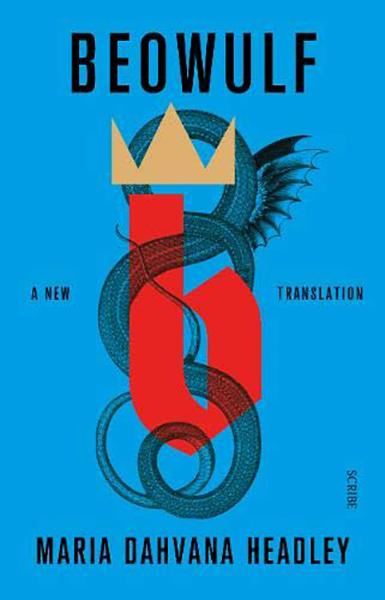
Nearly twenty years after Seamus Heaney's translation of Beowulf -- and fifty years after the translation that continues to torment high-school students around the world -- there is a radical new verse translation of the epic poem by Maria Dahvana Headley, which brings to light elements never before translated into English.
A man seeks to prove himself as a hero. A monster seeks silence in his territory. A warrior seeks to avenge her murdered son. A dragon ends it all. These familiar components of the epic poem are seen with a novelist's eye toward gender, genre, and history. Beowulf has always been a tale of entitlement and encroachment -- of powerful men seeking to become more powerful and one woman seeking justice for her child -- but this version brings new context to an old story. While crafting her contemporary adaptation, Headley unearthed significant shifts lost over centuries of translation; her Beowulf is one for the twenty-first century.
A man seeks to prove himself as a hero. A monster seeks silence in his territory. A warrior seeks to avenge her murdered son. A dragon ends it all. These familiar components of the epic poem are seen with a novelist's eye toward gender, genre, and history. Beowulf has always been a tale of entitlement and encroachment -- of powerful men seeking to become more powerful and one woman seeking justice for her child -- but this version brings new context to an old story. While crafting her contemporary adaptation, Headley unearthed significant shifts lost over centuries of translation; her Beowulf is one for the twenty-first century.
Andra har också köpt

The Fifth Season
159 kr
Presentinslagning
39 kr

Ur Varselklotet
419 kr

Rivers of London
179 kr


Moon Over Soho
179 kr